https://twisterbicycle.com/the-ultimate-guide-to-choosing-humidifiers-and-dehumidifiers/
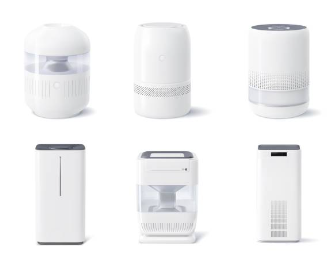
Indoor humidity has a profound impact on quality of life and health: being too dry can cause skin tightness, discomfort in the throat, and even trigger allergies; However, high humidity can easily breed mold, produce odors, and harm respiratory health. Choosing the right humidifier or dehumidifier can help you create a comfortable home environment. This article will provide you with a comprehensive selection guide from applicable scenarios, device types, to purchasing tips.
1、 When do I need a humidifier? How to choose?
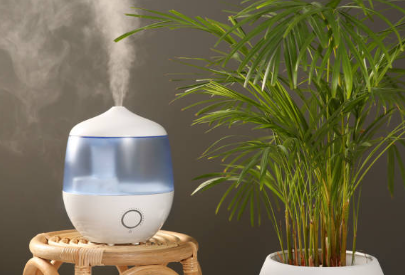
When the indoor air is dry, causing tight skin, dry and itchy throat, frequent static electricity, or allergic symptoms, a humidifier is your “savior”. The ideal indoor humidity should be maintained between 30% -50%. The following are comparison and selection suggestions for different types of humidifiers:
1. Types and characteristics of humidifiers
Cold mist humidifier: suitable for all year round, the sprayed cold mist is not easy to breed bacteria, safer for children, and energy-saving.
Warm Mist Humidifier: It generates warm mist through heating, which helps alleviate colds and nasal congestion, but it consumes more energy and requires attention to prevent scalding.
Ultrasonic humidifier: Low operating noise, suitable for bedroom use, can quickly increase air humidity, but needs to be cleaned regularly to avoid scale.
Evaporative humidifier: Through natural evaporation humidification, the humidity self regulates more gently, but it may produce significant noise during operation.
2. Applicable and Avoidance Scenarios
Recommended use: dry winter, cold regions, indoor spaces with heating turned on.
Avoid use: in naturally humid areas (which may exacerbate mold problems), or in people who are sensitive to humidity (such as asthma patients who need to be cautious).
2、 When do we need a dehumidifier? How to choose?

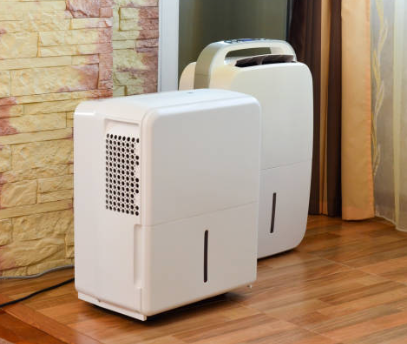
When there is a musty smell, moldy walls, condensation on windows, or difficulty drying clothes in the home, a dehumidifier is an essential tool. The following are the functions and applicable scenarios of different types of dehumidifiers:
1. Types and characteristics of dehumidifiers
Refrigerant (compressor) dehumidifier: It has a significant effect in warm climates, can quickly extract a large amount of moisture, and is suitable for summer or humid areas.
Desiccant dehumidifier: It can work efficiently in colder environments with low operating noise, suitable for basements or cold rooms.
Whole house dehumidifier: integrated with the central air conditioning system, with a large coverage area, suitable for whole house humidity control.
Portable dehumidifier: small in size, easy to move, suitable for partial dehumidification in bedrooms, basements, or small spaces.
2. Applicable and Avoidance Scenarios
Recommended for use in humid climates, rainy seasons in summer, basements, bathrooms, and other areas prone to water accumulation.
Avoid using: Indoor environments with already low humidity (which may cause the air to become too dry and require the use of a humidifier).
3、 Practical tips for purchasing and using
Accurate measurement with a hygrometer:
Purchase a reasonably priced hygrometer to monitor indoor humidity in real time and ensure the effectiveness of equipment operation.
2. Regular cleaning and maintenance:
Humidifiers and dehumidifiers need to be cleaned regularly to avoid the growth of mold and bacteria, which can affect air quality.
3. Choose capacity based on space:
Small Room (10-20 ㎡): Choose a model with 10-20 pints per day.
Medium sized rooms (20-40 square meters): Choose a model with 30-50 pints per day.
Large spaces or basements (over 40 square meters): Choose models with a capacity of 50 pints per day or more.
Whether it is a humidifier or a dehumidifier, the core of selection lies in “on-demand matching”. Select the appropriate type and capacity based on the living environment, climate conditions, and actual needs in order for the equipment to truly function. At the same time, regular maintenance and reasonable use can ensure that they continue to create comfortable and healthy indoor air for you. If you need further model recommendations or usage suggestions, please feel free to leave a message and let’s work together to create a more livable living space!
https://twisterbicycle.com/the-ultimate-guide-to-choosing-humidifiers-and-dehumidifiers/