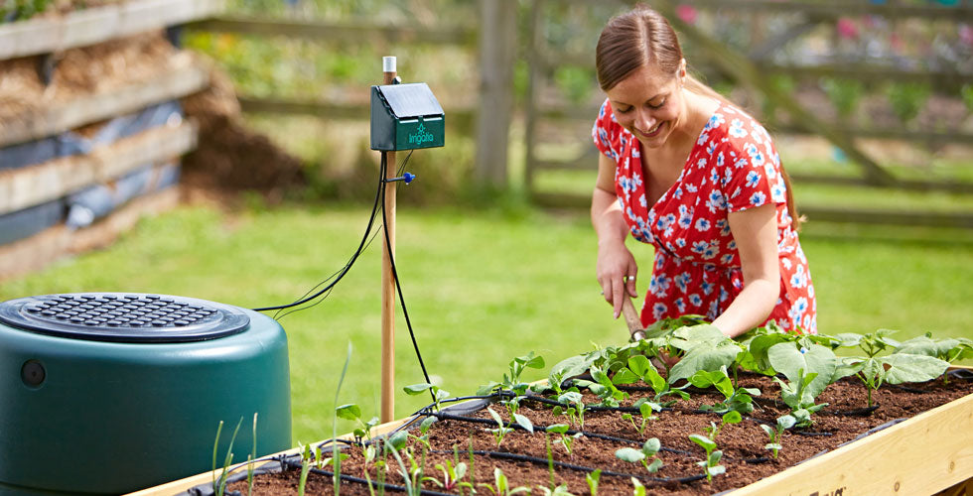
If the living room and kitchen are the first step in smart home development, then the garden is its next new frontier. In the past, our impression of gardening may have been limited to daily tasks like “watering, pruning, and relying on the weather”; but now, automatic watering, smart lighting, and environmental monitoring—things that sound a bit like “high-tech”—are quietly changing the relationship between people and nature.
More and more people are starting to pay attention to outdoor green spaces, whether it’s a balcony with a few pots of herbs or a small forest in the backyard . You’ll find that when home appliances and technology step out of the living room, they don’t make the garden feel cold; instead, they make the process of caring for plants easier, more precise, and even a little more “ritualistic.”
This isn’t because we’ve become lazy, but because we’ve finally been able to spend our time truly enjoying nature .
Why is smart gardening on the rise?
The core of smart gardening is not to replace plant care, but rather:
Reduce repetitive tasks (such as mechanical watering).
Increase the success rate (e.g., by controlling water, fertilizer, and light).
Make plant conditions visible (no more relying on “gut feeling” to care for them)
After testing 12 mainstream smart gardening devices , the author reached a very interesting conclusion:
With proper configuration, daily gardening maintenance time can be reduced by at least 60% , and plants generally grow healthier.
Frankly speaking, it not only makes life easier, but also allows for a new attitude towards life: technology and nature are not opposed to each other; they can coexist.
Common Types and Selection Recommendations for Smart Garden Devices
1) Automatic watering system (MVP of smart garden)
If I could only buy one smart device, it had to be this one.
Recommendation: Rachio 3 Smart Sprinkler Controller
Supports weather adaptation → Rain won’t be wasted.
Remote control via mobile phone → No need to panic when you’re out and about
Saves 30%–50% of water → This is real, not just advertising hype.
Suitable for small spaces (such as balconies):
Miniature drip irrigation kit
Battery-powered smart watering device
If you find pipework too troublesome, you can also start with the Orbit B-hyve smart faucet controller —it can be used directly by installing it on the faucet, which is less “engineering-intensive”.
2) Lighting and environmental control equipment (especially suitable for spaces with poor lighting)
For balconies or indoor plants that lack sufficient sunlight, grow lights are a lifesaver.
Recommended pairing:
TP-LINK Tapo Smart Socket + Plant Growing Light
→ It allows you to customize the lighting duration and control it remotely, making it very convenient.
If you prefer greenhouses or require precise seedling cultivation:
Govee Smart Thermometer and Humidity Meter → Real-time environmental monitoring with direct alerts for temperature and humidity changes.
3) Soil monitoring and maintenance equipment (replacing “feelings” with data)
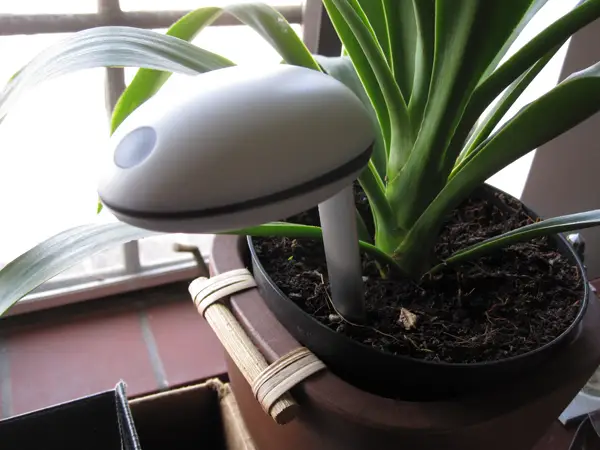
Recommendation: Koubachi Wi-Fi plant sensor
can monitor:
Soil moisture
temperature
information on light exposure
and specific maintenance recommendations.
If you travel frequently:
Blumat Automatic Water and Fertilizer System → No electricity required, water and fertilizer are automatically adjusted according to plant absorption.
In short:
People who like “peace of mind” will definitely love them.
4) Assistive devices: The kind that are easy and fun.
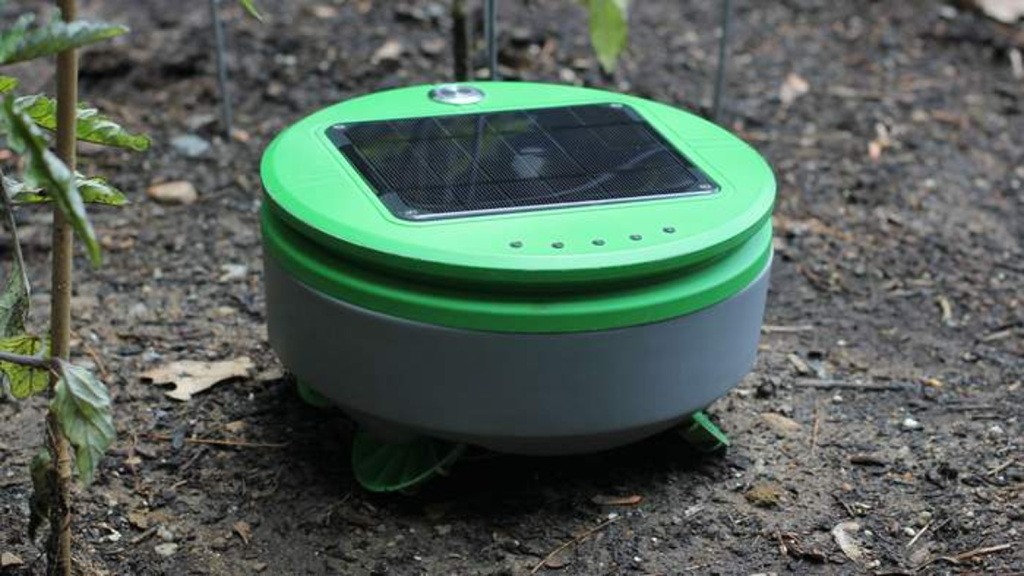
Tertill Solar-Powered Weeding Robot
It can patrol and weed on its own
It will automatically stop working and return to charging on rainy days.
No herbicides needed at all
There’s also a very small but incredibly useful assistant:
Planta Plant Care App → Plant identification, care reminders, and disease diagnosis are all
included. It’s a real lifesaver for beginners.
How to choose equipment based on space?
| Scene | Recommended configuration |
| Balcony planting (<5㎡) | Miniature drip irrigation + grow light + soil sensor + plant care app |
| Backyard garden (>10㎡) | Intelligent sprinkler controller + multi-point environmental monitoring + automatic weeding equipment |
There’s no need to upgrade all at once; a phased upgrade approach is sufficient.
Green and circular lifestyle
Interestingly, smart gardening and “eco-friendly living” are a perfect match:
Kitchen waste → composting → garden fertilizer
Washing machine filtered water → used to irrigate plants
Dehumidifier water storage → Direct watering of plants
You will find:
Technology is not just cold, lifeless energy consumption; it makes life more vibrant.
Future Trend: AI is Entering the Garden
The new generation of intelligent gardening equipment can already do:
Identifying leaf diseases
Automatically adjust light and water
Predict maintenance needs based on growth trends
In the future, the state of a smart garden can be described in one sentence:
“You only need to decide what you want to plant, and leave the rest to the system.”
Doesn’t that sound kind of therapeutic?
Conclusion: Let technology gently participate in your natural life.
Smart devices are not meant to reduce human contact with nature, but to free us from tedious tasks so that we can more genuinely experience the joy of plant growth.
Whether you’re a balcony gardener or a backyard gardener ,
whether you prioritize efficiency or a tranquil lifestyle ,
smart gardening can be a gentle pathway connecting you with nature.
Let technology be quiet, and let nature be accessible.
The green lifestyle that belongs to you is slowly taking shape.