https://twisterbicycle.com/the-ultimate-guide-to-home-appliance-maintenance-scientific-strategies-for-longevity-and-efficiency/
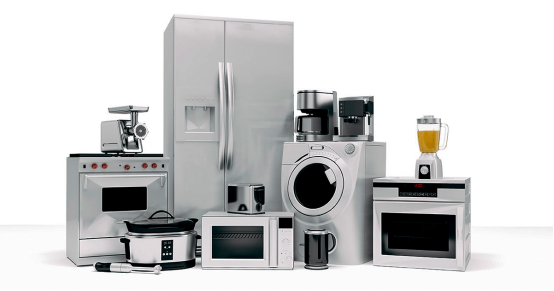
Home appliances are the most indispensable “invisible labor” in modern life. They silently help us with laundry, cooking , cooling, and heating, making life comfortable and efficient. However, the problem is that most people’s understanding of appliance maintenance remains largely based on hearsay. Seemingly convenient little tricks may actually shorten the lifespan of appliances or even pose safety risks.
In this article, we’ll debunk the most common appliance maintenance myths and offer practical, scientific alternatives. Whether you’re living alone for the first time or you’re already an appliance savvy, these tips can help you save energy, money, and, most importantly, peace of mind.
Range hood: Don’t just clean the filter, the real dirt is inside
Common misconception : Simply removing the filter and cleaning it is sufficient.
Truth : The impeller and motor are the most vulnerable areas for dirt and grime. Oil accumulation not only reduces suction power but also places a strain on the motor, increasing power consumption and even posing a fire risk.
Correct approach :
Daily cleaning : After cooking , wipe the surface lightly with a rag while the machine is still warm.
Deep cleaning : Disassemble and clean the fan wheel every 3-6 months. Even models with a “self-cleaning” function still need manual cleaning to be thorough.
Washing machines: They’re dirtier than you think
Common misconception : How can a washing machine get dirty if it washes clothes every day?
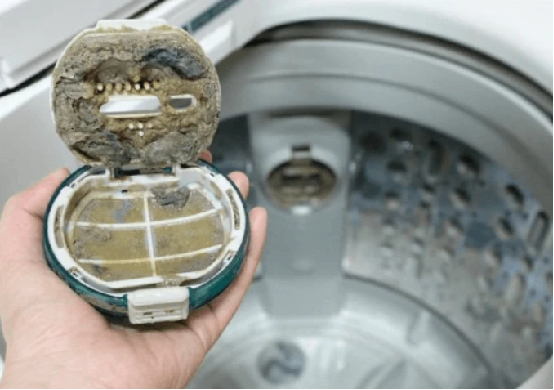
Truth : The gap between the inner and outer drums is a breeding ground for bacteria. Detergent residue, scale, and fabric fibers can breed mold and contaminate clean clothes. The rubber ring area is particularly prone to mold.
Correct approach :
Use washing machine detergent or citric acid once a month and run on high heat.
After each wash, dry the rubber ring and open the door to ventilate for at least one hour.
Refrigerator: The lower the temperature, the better
Common misconception : The lower the temperature and the more food you pack in your refrigerator, the more energy it saves.
Truth : Too low a temperature overworks the compressor, which actually consumes more energy and can damage fruits and vegetables. Overcrowding your refrigerator blocks cold airflow, making it work harder.
Correct approach :
Ideal temperature : 4°C in refrigerator, -18°C in freezer.
The 80% full principle : Food should not exceed 80% of the total capacity, leaving space for air circulation.
Air conditioning: Turn off ≠ leave it alone
Common misconception : Simply turn off the air conditioner when not in use.
Truth : Dust accumulates inside the air conditioner’s filters, evaporator, and condenser. Failure to clean these for extended periods not only results in poor cooling performance but can also introduce odors and bacteria.
Correct approach :
Do a thorough cleaning before and after seasonal use.
During use, clean the filter every two weeks.
Have a professional perform deep maintenance every 1-2 years.
Microwave ovens: Using random containers? Danger!
Common misconception : Any dish or bowl can go in the microwave.
Truth : Metal utensils can cause sparks, and plastic, if it’s not heat-resistant, can release harmful substances.
Correct approach :
Use glass, ceramic, or heat-resistant plastic containers marked “Microwave Safe.”
Always pierce or open sealed foods (e.g., eggs, milk) before heating them.
Disinfection cabinet: Don’t use it as a cupboard
Common misconception : If the cabinet is unplugged for a long time, it can only be used as a storage cabinet.
Truth : A humid environment can cause bacteria to grow inside, metal parts to rust, and even pose a risk of short circuits when powered on.
Correct approach :
Turn on disinfection mode every 1–2 days.
It is best to wipe or drain the water before putting in the tableware.
Gas stove: Clean countertop does not mean truly clean
Common Misconception : Just wiping the stovetop surface is enough.
Truth : The small holes in the burner cap are often clogged with soup and grease, resulting in an uneven flame and incomplete combustion, which not only wastes gas but also produces more harmful gases.
Correct approach :
Remove the fire cover every month, clear the fire hole with a toothpick or thin wire, then wash it with soapy water and let it dry.
Check the gas pipeline regularly to see if it is aging or loose.
TV: Cleaning the screen requires a proper method
Common Misconception : Wipe directly with a damp cloth or glass cleaner.
Truth : The anti-glare coating on the screen surface is very fragile and improper cleaning can permanently damage it.
Correct approach :
Use a dry microfiber cloth to wipe away dust.
When there are stains, spray the special cleaner on the cloth and wipe gently.
Summary: Scientific maintenance, save money and feel at ease
The key to appliance maintenance isn’t complicated procedures, but rather abandoning bad habits and establishing the right maintenance routine. A single small change can extend the life of your appliance, reduce energy consumption, and ensure your family’s safety.
Imagine if you could change just one maintenance misconception today. How many more years could your appliances last? So, which appliance do you think you most often neglect in maintenance? Share your thoughts in the comments section, so we can remind each other.
https://twisterbicycle.com/the-ultimate-guide-to-home-appliance-maintenance-scientific-strategies-for-longevity-and-efficiency/