https://twisterbicycle.com/the-ultimate-guide-to-modern-home-cooking-ovens-air-fryers-and-baking-essentials/
Baking enthusiasts know that a good oven is an important part of baking. Whether you’re making fluffy cakes, crispy cookies, or rich breads, the choice of oven and the skills you use have a direct impact on the texture and appearance of the finished product. Today, we will delve into how to choose the right oven and share some tips on how to use your oven to make your baking skills better.
1. Choosing the right oven: Functionality and performance go hand in hand
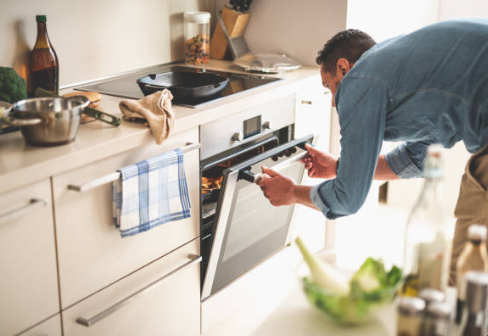
The choice of oven is especially important in the baking process. Different types of ovens have different advantages and disadvantages, and choosing the right oven can make your baking process smoother.
Conventional electric oven: this type of oven is suitable for beginners and intermediate baking enthusiasts, usually with upper and lower fire heating methods, you can adjust the temperature and time to achieve different baking results. It is suitable for cakes, cookies, breads and other common desserts.
Hot Air Circulation Oven: This type of oven is equipped with a fan, which can distribute hot air evenly and enhance the baking effect. It is especially suitable for baked goods that require precise temperature and humidity control, such as cupcakes and cookies. The advantage of this type of oven is that the temperature is uniform, which reduces the problem of over-coloring the surface of the food or uneven baking inside.
Microwave Oven: This type of oven combines the functions of microwave heating and oven for quick heating and simple baking. For beginners, it can be used to make quick desserts such as brownies or easy cookies.
Convection oven with additional accessories in the oven: Convection ovens are for more advanced baking enthusiasts and are equipped with a hot air convection system that allows you to complete multi-layered baking such as multi-layer cakes or roasts in a short period of time.
2. Oven Temperature Control: Ensuring Baking Success
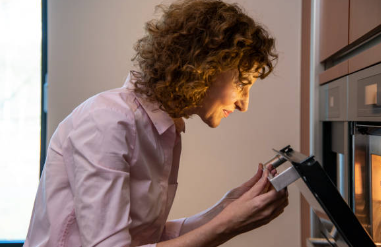
Oven temperature is the key to successful baking. Most recipes provide exact temperature requirements, but actual temperatures can vary between ovens, so using an oven thermometer is essential. Proper temperature control ensures that the dough will rise evenly and the crust will color evenly, while keeping the interior moist.
Preheating is key: Most baking recipes will ask you to preheat the oven before placing the batter or dough in the oven. Preheating ensures that the oven is already at the desired temperature when baking begins and prevents poor baking results due to low temperatures.
Avoid opening the door too often: While watching the progress in the oven is part of the fun of baking, opening the oven door too often can lead to heat loss and affect baking results. In general, try to open the door only once per baking progress check.
3. Hot air circulation and top and bottom heat in the oven: how it affects baking results
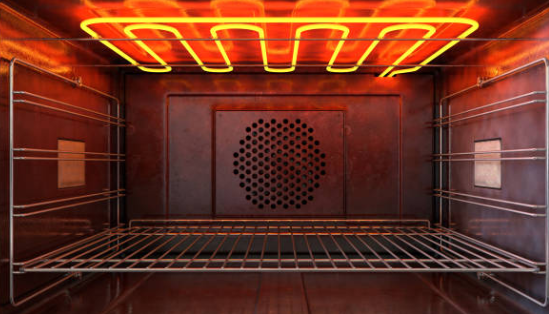
Many modern ovens are equipped with hot air circulation for foods that require even heat distribution. For example, when making cakes and baking cookies, hot air circulation ensures even heat distribution during the baking process, avoiding overcooking in some areas or burning on the surface. With the help of the fan, baked goods can be matured faster and evenly.
Upper and lower heat mode: This mode is usually suitable for most regular baking, such as making cakes, cookies, breads, etc. The fan can be used to heat the food evenly. The top and bottom heaters heat the food evenly, avoiding burnt bottoms or undercooked tops.
Hot Air Circulation Mode: This mode is suitable for making multi-layered baked goods or foods that need to be baked quickly, such as pizzas, cookies and tarts. The help of the fan allows for smoother air circulation, speeding up the baking process and reducing time.
4. Baking trays and racks: choosing the right accessories
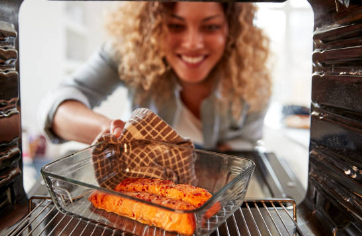
Accessories in the oven, such as baking trays, racks and baking paper, can affect your final baking result. Choosing the right accessories is key to ensuring successful baking.
Use the right baking sheet: Different desserts require different types of baking sheets. For example, round cakes usually use round baking pans, while long cakes or breads require rectangular baking pans. In terms of material, aluminum or non-stick baking pans are effective in preventing food from sticking to the bottom or burning.
Use of grill racks: Grill racks help to enhance the surface of the food to be grilled. Place the rack in the center of the oven to ensure even heating of the food and to avoid moisture buildup on the bottom.
5. Oven Cleaning and Maintenance: Prolonging the Life of the Oven
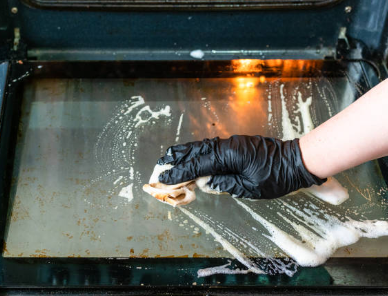
Regular oven cleaning is key to ensuring oven performance. It is important to clean the oven of debris and grease after each baking session, especially if there are spills or drips from the food you are baking. Long-term grease buildup not only affects baking results, but can also degrade oven performance.
Regularly clean the interior of the oven and baking trays: Clean the interior walls with an oven-specific cleaner to avoid grease and grime buildup that can interfere with air circulation.
Check the oven door seal: Make sure the seal on the oven door is intact to avoid heat leakage.
The choice of oven determines the results of your baking. By learning about ovens, you can make your oven your right-hand man on your baking journey and create delicious desserts with ease. Whether you are a novice or an experienced baker, you need a good oven to help you!
https://twisterbicycle.com/the-ultimate-guide-to-modern-home-cooking-ovens-air-fryers-and-baking-essentials/