https://twisterbicycle.com/the-ultimate-home-appliance-maintenance-and-selection-guide/
Put it in the refrigerator=forever fresh “? You may be overthinking!
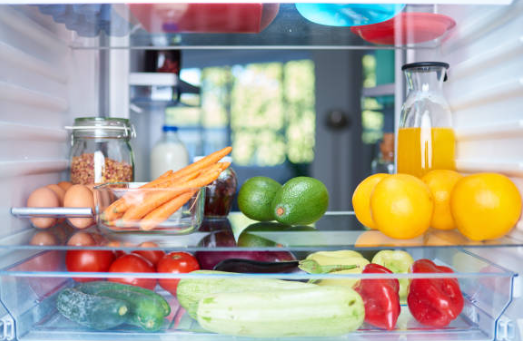
Have you ever encountered such a situation? The fruits, vegetables, milk, and eggs you carefully hoarded started to smell, spoil, and even grow hair within a few days after putting them in the refrigerator?! It’s clearly a refrigerator, but it feels more like a ‘food ripening machine’
Don’t blame the refrigerator, it really did its best! But the problem is – you may have been using it incorrectly all along! Today, we will take you to uncover the “freshness scam” in your refrigerator and see how your food gradually reaches the “end of decay”.
1、 The truth about refrigerators: Low temperature ≠ Food entering hibernation mode
Many people believe that the refrigerator can “freeze” everything and pause the aging of food. But in reality, low temperatures only slow down the activity of bacteria and enzymes, rather than completely stopping them.
Bacteria: “Low temperature dormancy? It doesn’t exist
Most bacteria slow down their activity below 4 ℃, but they can still survive. Even some bacteria, such as Listeria monocytogenes, can grow slowly at 0 ℃!
Enzyme: “I’m still secretly operating
Enzymes in food do not completely shut down due to low temperatures, they still undergo chemical reactions that cause your fruits to turn black and meat to change color.
So, the refrigerator only delays food spoilage and cannot allow them to ‘freeze’.

2、 Dangerous areas in the refrigerator: These places are prone to food spoilage!
Do you think the temperature in every corner of the refrigerator is the same? In fact, there are “hot and cold zones” inside it, and if stored improperly, food is more likely to spoil.
High temperature fluctuation zone: refrigerator door
This is the most unstable place in terms of temperature, as the temperature rises every time the door is opened or closed. Don’t put milk, eggs, and perishable foods here!
Temperature distribution of refrigeration layer
Upper layer (high temperature): suitable for storing durable items such as beverages and seasonings.
Lower layer (lower temperature): suitable for perishable ingredients such as raw meat and seafood.
Vegetable and fruit drawer (high humidity): Suitable for storing green leafy vegetables and fruits, but be careful to store them separately to avoid accelerated decay caused by ethylene gas.
Proper storage=food lasts longer!
3、 The main culprits of food spoilage: humidity, air, oxidation
Humidity issue:
High humidity → Vegetables are prone to rot and mold growth.
Low humidity → Food is prone to dehydration, such as wrinkled fruits or dry bread.
Solution: Use cling film, plastic wrap, or kitchen paper towels to maintain appropriate humidity.
Air and oxidation:
Food exposed to air can accelerate oxidation, such as apples turning yellow when cut open or nuts turning crackly.
Solution: Use a vacuum sealed bag to reduce air contact and keep food fresh.
4、 Refrigerators cannot ‘extend shelf life’! Did you misunderstand?
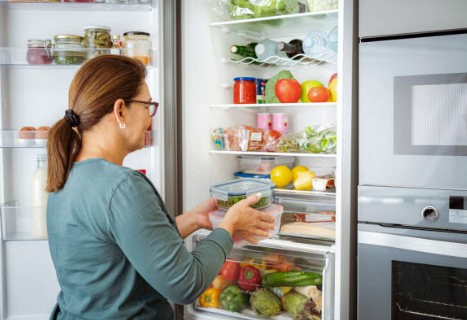
Many people have a misconception: ‘As long as the shelf life has not expired, there is no problem storing it in the refrigerator.’ However, the fact is that shelf life ≠ freshness period!
Misconception:
Shelf life: The safe consumption period of food labeled by the manufacturer as “unopened”.
Shelf life: The actual edible time of food, influenced by storage methods, temperature, humidity, and other factors.
Take a chestnut as an example:
The shelf life of milk may be 7 days, but if you frequently open the refrigerator, temperature fluctuations may cause it to spoil within 3 days!
Remember: the refrigerator is not a safe, you have to eat what you need, don’t delay for too long!
5、 Tips for refrigerator preservation to make food more “long-lived”!
Classify and store to avoid cross contamination: separate raw and cooked to prevent bacteria from coming into contact with each other.
Reasonable packaging: Use sealed bags or freshness boxes to reduce air contact, moisturize and prevent cross contamination.
Regular cleaning: Check the refrigerator once a week and promptly dispose of expired food.
Refrigeration temperature: Keep below 4 ℃, and keep the freezing area below -18 ℃ to prevent bacterial growth.
Don’t fill too much: leave some gaps to allow cold air to circulate and improve freshness.
6、 Not all foods are suitable for entering the refrigerator! Don’t put these in the wrong place
Tropical fruits such as bananas and mangoes: Low temperatures can damage their cellular structure, causing them to turn black and soft.
Potatoes, onions, garlic: High humidity in the refrigerator can easily cause germination or spoilage.
Bread: Refrigeration can actually accelerate drying, and it is better to store at room temperature.
Coffee beans: Moisture and odors in the refrigerator can affect the flavor, so it is best to store them sealed at room temperature.
Remember: not all foods are suitable for low temperatures, check before putting them in the refrigerator!
Many people’s understanding of refrigerators remains at the simple logic of “cooling=preserving”, but in fact, the skills of using a refrigerator determine the freshness of your food!
Properly classify and store to avoid food spoilage
Master preservation techniques to reduce waste
Don’t blindly believe in refrigerators, certain foods are more suitable for room temperature
Remember these tips, the next time you open the fridge, you might want to check if your food is in the right place and if the fridge is too crowded? Or, do you have any tips for keeping your refrigerator fresh? Welcome to share in the comment section
https://twisterbicycle.com/the-ultimate-home-appliance-maintenance-and-selection-guide/